
PARALYMPIC RESEARCH

Paralympic Research

TEAM MEMBERS

PUBLISHED RESEARCH

“Baseline Severity Analysis of the Sport Mental Health Assessment Tool-1 (SMHAT-1)
Screening Tools In Collegiate Para Athletes”
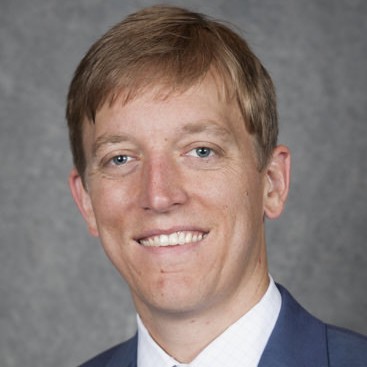
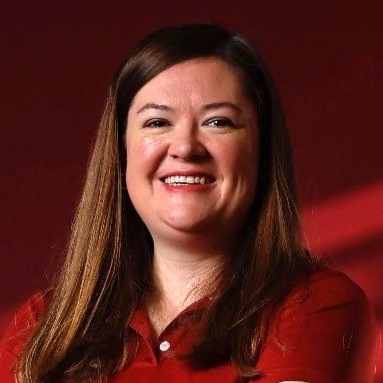
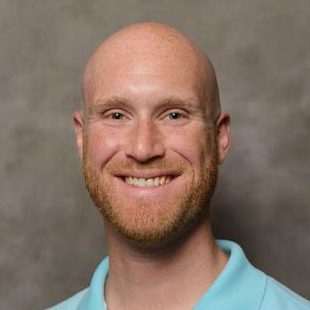
Alex Curry, MS, ATC; Katie Allen, MA, ATC; Ryan N. Moran, PhD, ATC

TEXT IN MAIN BOX
Anxiety and depressive symptoms were generally low at baseline, although they were clinically elevated in a subset of collegiate para-athletes. 
Sleep disturbance was highly prevalent, with most athletes reporting mild-to-moderate symptoms, making it the most common mental health concern identified. 
Further research is needed to evaluate how routine SMHAT-1 screening can inform targeted, longitudinal mental health interventions.

INTRODUCTION
• The Sport Mental Health Assessment Tool 1 (SMHAT-1) is a standardized tool created by the International Olympic Committee (IOC), to be used by sports medicine professionals, to identify athletes at risk for or currently experiencing mental health symptoms and disorders.1
• Paralympic athletes report high rates of anxiety, depression, and poor sleep1-3
• Few studies have assessed mental health in athletes with disabilities including the SMHAT-1 in collegiate para-athletes.

PURPOSE
To examine baseline severity of anxiety, depression, and sleep disturbance in collegiate para-athletes using the SMHAT-1.

METHODS
• Participants: A total of 135 university, para-athletes (age = 22.03±4.1 years) participated in the current study, consisting of 81 males (60.0%) and 54 females (40.0%)
• Procedures: Participants completed the Athlete Form 2 – Screening Tools on the SMHAT-1, which queries about signs and symptoms of anxiety, depression, sleep disturbance, alcohol use, drug use, and disordered eating. 
• Measures: Anxiety, depression, and sleep disturbance have severity categorization (mild, moderate, severe), only these three screenings were used in this analysis. 
• Analyses: Descriptive statistics were used to report severity analysis for the sample.

RESULTS
• Nearly 60% of the sample reported no anxiety or depression symptoms, with about one-quarter reporting mild symptoms.
• Approximately 75% of the sample reported mild-to-moderate disturbance, and 10% reporting severe symptoms.

DISCUSSION
• These findings are similar to prior research, noting elite level athletes have higher rates of sleep disturbances5
• Routine administration of the SMHAT-1 in this population will allow for better mental and behavioral health resources to be accessible and provided to this population and aids in better pre- and post- season and injury screening and management among sports medicine professionals.

REFERENCES
1. Gouttebarge V, Bindra A, Blauwet C, et al. International Olympic Committee (IOC) Sport Mental Health Assessment Tool 1 (SMHAT-1) and Sport Mental Health Recognition Tool 1 (SMHRT-1): towards better support of athletes' mental health. Br J Sports Med. 2021;55(1):30-37. doi:10.1136/bjsports-2020-102411
2.Fagher K, Dahlstrom O, Lexell J. Mental health, sleep, and pain in elite Para athletes and the association with injury and illness-A prospective study. PM R. 2023;15(9):1130-1139.
3. Olive LS, Rice S, Butterworth M, Clements M, Purcell R. Do Rates of Mental Health404
Symptoms in Currently Competing Elite Athletes in Paralympic Sports Differ from Non-Para Athletes? Sports Med Open. 2021;7(1):62.
4. Nabhan D, Lewis M, Taylor D, Bahr R. Expanding the screening toolbox to promote 407 athlete health: how the US Olympic & Paralympic Committee screened for health problems in 940 elite athletes. Br J Sports Med. 2021;55(4):226-230.